Blog
Common Mistakes to Prevent with Operator Responsibility Standards


Denmark’s tightly regulated gaming market demands more than just checking boxes slimkingcasino.dk. Preserving responsible operator standards means a real commitment to player safety, transparency, and legal integrity. Operators and their affiliate partners who fall short of the Danish Gambling Authority’s expectations lose the chance of losing their licence, damaging their reputation, and facing financial penalties. Even well-intentioned organizations slip up when they underestimate how deeply these standards must be embedded into every part of their business. From affiliate onboarding to internal compliance training, each decision influences how responsibly a brand is perceived. Slimking Casino believes staying proactive is the key to sustainable growth, which is why its legal and affiliates page places clarity around licensing and partner obligations front and center. Reviewing the most frequent mistakes assists the industry advance toward a culture where responsible gambling is not an afterthought but a strategic advantage.
To begin, Viewing Licensing as a Single Achievement
Securing a Danish licence from Spillemyndigheden is a rigorous process that signals an operator satisfies high entry requirements. Yet many organizations make the mistake of seeing that approval as a lasting seal of trust. Compliance is evolving, not static. Regulations evolve, supervisory expectations increase, and a licence demands ongoing investment. Operators who fail to track legislative updates or run regular internal audits quickly drift out of alignment. The Danish Gambling Authority actively publishes guidance notes and updates technical standards, so trusting what you knew at the initial application stage is a serious mistake. Responsible brands like Slimking Casino handle licensing as a living commitment, continuously updating their documentation and team training to stay ahead of regulatory shifts. The most resilient operators establish a dedicated regulatory watch function that monitors every consultation paper and enforcement notice, converting them into actionable internal updates before they become compliance gaps.
7. Misjudging Data Privacy Responsibilities
Danish gaming operators must simultaneously follow the General Data Protection Regulation and sector-specific rules enforced by Spillemyndigheden. A typical mistake is handling player data recklessly under the belief that consent gathered for marketing also includes responsible gambling profiling. Operators are required to maintain transparent records, secure explicit consent where necessary, and not ever reuse self-exclusion or behavioural data for commercial targeting. Mistakes in this area can cause dual enforcement actions from both the Danish Data Protection Agency and the Gambling Authority. Effective privacy practices include data minimisation, regular audits, and clear privacy notices that detail exactly how information facilitates responsible gaming. Slimking Casino’s legal framework explicitly divides safety-related data from promotional activities, illustrating a consideration for player boundaries. This separation is enforced through technical access controls that block marketing teams from searching databases containing self-exclusion or behavioural monitoring records.
Associate Data Sharing Dangers
When operators exchange player data with affiliates for tracking and commission calculations, they must apply extreme caution. Any transmission of personal information necessitates a valid legal basis, and broad, loosely worded agreements are inadequate. Some operators wrongly provide affiliates access to raw clickstream data without proper anonymisation, infringing both the GDPR and the Danish Act on Gambling. An essential standard is to employ aggregated, anonymised reporting and to confine the data points shared to the minimum necessary. Slimking Casino arranges its affiliate programme so that performance metrics are presented through a secure dashboard, eliminating any temptation for partners to manage sensitive player data directly. This practice secures everyone in the ecosystem and prevents coinmarketcap.com the kind of data breach that would activate mandatory notification obligations under both Danish and European law.

Třetím bodem Přehlížení Culturally Sensitive Sdělení ve Denmark
Denmark’s gaming culture blends relaxed zábavu s výrazným public zaměřením na vhodné návyky. Propagace která působí agresivní nebo detached od this společenského smlouvy can mít opačný efekt. Někteří operátoři make the mistake recyklování univerzálních European campaigns aniž by adjusting slovník, imagery, and výzvy k akci pro the local audience. Messages that glorify únik z reality či naznačují gaming jako řešení na finanční stress přímo odporují with zásadami zodpovědného sázení. Efektivní communication má vyzdvihnout entertainment, stanovit zřetelné boundaries, a zahrnout viditelné odkazy to dánským self-exclusion tools like ROFUS. Tím, že investují do localised obsahu that resonates se dánským pojetím střídmosti, operators posilují their pověst as spolehliví community members. Tento přístup guides Slimking Casino’s externí sdělení. The Danish zákazník čeká nenápadnou sebejistotu rather than agresivních obchodních taktik, and brands jež respektují tuto přednost budují hlubší and trvalejší relationships s their hráčskou komunitou.
Two. Inadequate Affiliate Marketing Verification and Integration
Affiliate programs is a strong growth channel, but it transforms into a liability when affiliates lack an company’s responsible gaming principles. A frequent oversight is emphasizing affiliate volume over quality during recruitment. If compliance checks are insufficient, rogue affiliates can advertise unrealistic winning claims, focus on vulnerable groups, or evade age-gating rules. In Denmark, the Gambling Authority deems operators directly responsible for the actions of their marketing affiliates, so ignorance is never a excuse. A rigorous vetting process should examine an affiliate’s past promotional methods, website content, and knowledge with Danish advertising rules. Slimking Casino’s affiliate programme sets an model by embedding responsible operator standards into partner agreements from day one, mandating every affiliate to commit to transparent, ethical marketing. Operators who skip this step often uncover violations only after regulatory scrutiny has already begun, making correction far more costly and damaging than prevention.
The Reason Written Agreements Are Not
Counting solely on contractual clauses while skipping proactive monitoring is a dangerous half-measure. A signed document that requires responsible messaging loses value if no one monitors compliance. Operators must establish routine spot audits, secret-shopper programs, and automated monitoring solutions to spot violations like absent “18+” labels or misleading bonus clauses. When an affiliate violates Danish marketing guidelines, the operator must react quickly with cautions, pauses, or removals. This active oversight proves Spillemyndigheden that the licence-holder genuinely governs its marketing ecosystem. Slimking Casino keeps a responsive compliance loop, making sure that its legal and affiliates page reflects not just rules but real accountability mechanisms. A systematic escalation framework—where first offences prompt mandatory retraining and repeated violations result in permanent removal—delivers an unequivocal signal about the gravity of responsible marketing benchmarks.
4. Creating Bonus Terms That Function Against Responsible Play
Incentive programs are a typical acquisition tool, but when wagering requirements are obscured, time limits are punishing, or maximum bet rules are hidden in fine print, they create tension that harms consumer trust. The Danish Gambling Authority requires all commercial communication to be fair and not misleading. A frequent mistake is creating promotions that promote excessive play to clear a bonus before it expires. Instead, terms should foster sensible participation, with clear explanations of how wagering contributions work across different game categories. Slimking Casino ensures that its promotional material, visible through its affiliate portal and legal page, prioritises straightforward language, allowing players to make informed decisions without feeling pressured to chase losses. Operators who design bonuses with responsible play in mind typically focus on several key principles that safeguard both the player and the brand’s regulatory standing.
Core Principles for Responsible Bonus Design
Creating promotions that align with Danish regulatory expectations requires deliberate structural choices. The following principles aid operators balance commercial appeal with genuine player protection, ensuring that every offer strengthens rather than weakens responsible gambling messaging. Slimking Casino integrates these elements into every campaign brief, making them non-negotiable components of the promotional approval workflow.
- Display wagering requirements prominently using the same font size as the bonus amount, never relegating them to a collapsible section or separate page.
- Establish minimum wagering contribution rates that reflect realistic gameplay patterns, avoiding terms that effectively force players into high-volatility titles to clear a bonus.
- Allow reasonable completion windows of at least thirty days, removing the artificial urgency that can spark impulsive, extended sessions.
- Restrict maximum bet sizes during bonus play at a level consistent with casual entertainment, typically corresponding with the platform’s average stake across all active accounts.
- Provide a clear, one-click path to forfeit a bonus without penalty, respecting the player’s right to disengage from promotional conditions at any moment.
6. Overlooking Staff Training Excluding the Compliance Team
Licensed operator standards must not exist exclusively inside the legal or compliance department. A frequent error is restricting training to a narrow group of specialists whilst customer-facing teams, affiliate managers, and product developers remain uninformed about Danish regulatory expectations. When a marketing copywriter writes a promotional push notification ignorant of the ban on certain aggressive phrases, the brand incurs a reputational risk. Every employee that influences the player experience must have foundational knowledge of problem gambling indicators, data protection boundaries, and advertising code. Slimking Casino promotes a company-wide learning culture wherein regular refresher sessions are mandatory, ensuring that the commitment to responsible gaming is spread from the boardroom to frontline support. Training programmes incorporating realistic scenario-based exercises, such as role-playing a conversation with a player showing signs of distress, foster practical competence far more effectively than passive e-learning modules alone.
5. Lack of Embedding of Ethical Gambling Tools
A platform that just points to a responsible gambling page without deeply incorporating protective features is shirking its duty of care. Operators occasionally view deposit limits, reality checks, and loss limits as a compliance checklist rather than a user-friendly toolkit. The mistake is in rendering these tools hard to find, difficult to activate, or technically unreliable. In Denmark, players anticipate frictionless access to session timers and self-assessment tests directly from the gaming interface. When tools are buried under multiple menus, at-risk individuals are less inclined to use them. A robust operator standard means designing the user journey so that protective measures are proactively offered at moments of intensity. Slimking Casino weaves these safeguards into the core experience, demonstrating a philosophy where safety and entertainment coexist. Every responsible gambling feature should be accessible within two taps from the main game screen, with activation confirmations that are immediate and reassuring.
The Pitfall of One-Size-Fits-All Player Communication
Automated responsible gambling messages that are without personalisation can be counterproductive. Sending the same generic reminder to a high-spending player and a casual user weakens the impact and may even normalise risky behaviour. Danish regulation promotes tailored, risk-based interventions. When operators omit to segment their player base using behaviour analytics, they lose opportunities to offer meaningful support, such as a phone call from a trained staff member or a temporary cool-off period. Responsible operators leverage data ethically to identify early signs of harm and respond with proportionate, human-centred care. This principle corresponds to the proactive compliance posture Slimking Casino upholds through its internal training programmes. The most effective interventions come across as a conversation rather than an automated alert, which is why merging technology with trained human judgment produces measurably better outcomes for at-risk players.
Number 8. Not Plan for Audits and Supervisory Requests
Spillemyndigheden performs regular audits, and one of the most stressful mistakes an operator can make is handling these as unexpected emergencies. When documentation is scattered, internal records are inconsistent, and responsible gaming policies are out of date, compiling a response becomes chaotic and error-prone. A mature approach involves maintaining a living compliance folder with up-to-date policies, training logs, affiliate monitoring reports, and self-exclusion records that can be produced within the regulator’s tight deadlines. Additionally, internal mystery shopping exercises aid uncover gaps before the authority does. Slimking Casino treats audit readiness as a continuous improvement cycle, with its legal and affiliates page mirroring the organised, transparent ethos that makes regulatory scrutiny a manageable conversation rather than a crisis. Operators who conduct quarterly mock audits using external consultants gain an objective view of their vulnerabilities and can address weaknesses without the pressure of an official enforcement timeline.
9. Viewing Responsible Operator Standards as a Cost Center
Maybe the most basic error is the attitude that compliance and player protection are obstacles that drain profitability. Organisations that frame responsible standards this way inevitably underinvest, introduce half-hearted solutions, and generate resentment among teams. In reality, strong responsible gambling credentials differentiate a brand in Denmark’s competitive market, establish player loyalty, and reduce costly incidents of fraud and chargebacks. A player who experiences genuinely protected is more likely to come back and recommend the platform. Slimking Casino demonstrates that investing in safer gaming tools, thorough affiliate oversight, and staff education is a growth strategy, not a brake on success. It underscores that commercial ambition and ethical duty can advance together. Forward-thinking operators recognise that every krone spent on robust player protection returns multiples in retention, regulatory goodwill, and the kind of brand equity that no advertising budget can manufacture.
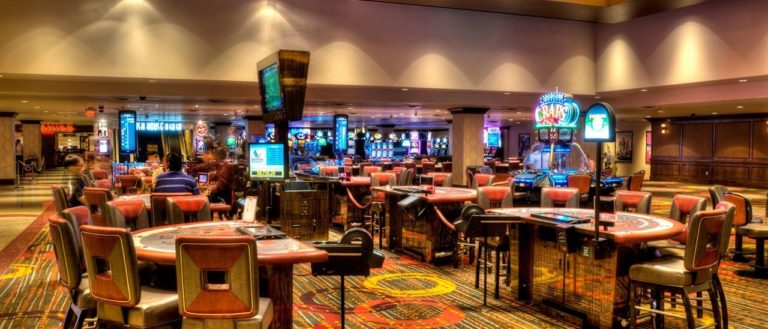
When operators internalise these lessons, the entire Danish gaming environment gains. Avoiding the common mistakes outlined above demands more than written policies; it requires an embedded culture of vigilance, transparency, and respect for every individual who interacts with the platform. Slimking Casino’s approach, as reflected in its legal and affiliates framework, proves that sustainable growth develops when responsible operator standards steer every partnership, every campaign, and every line of code. From robust affiliate vetting to genuine player data stewardship, the path to lasting trust is constructed on continuous improvement. By learning from these frequent missteps, operators can transform compliance from a defensive obligation into the foundation of a resilient, future-proof brand in Denmark.